Expert tips and child psychology insights for nannies caring for siblings — helping create harmony, reduce rivalry, and foster positive long-term relationships.
For nannies, caring for siblings means more than just managing routines — it’s about understanding the unique dynamics between children and learning how to balance attention between two children with care and fairness. Each child deserves to feel equally important and emotionally supported. With the right approach, nannies can build positive sibling relationships while maintaining a peaceful home environment.
These sibling relationship tips are crafted to help you nurture emotional wellbeing, minimise rivalry, and ensure that every child in your care feels genuinely seen and valued.
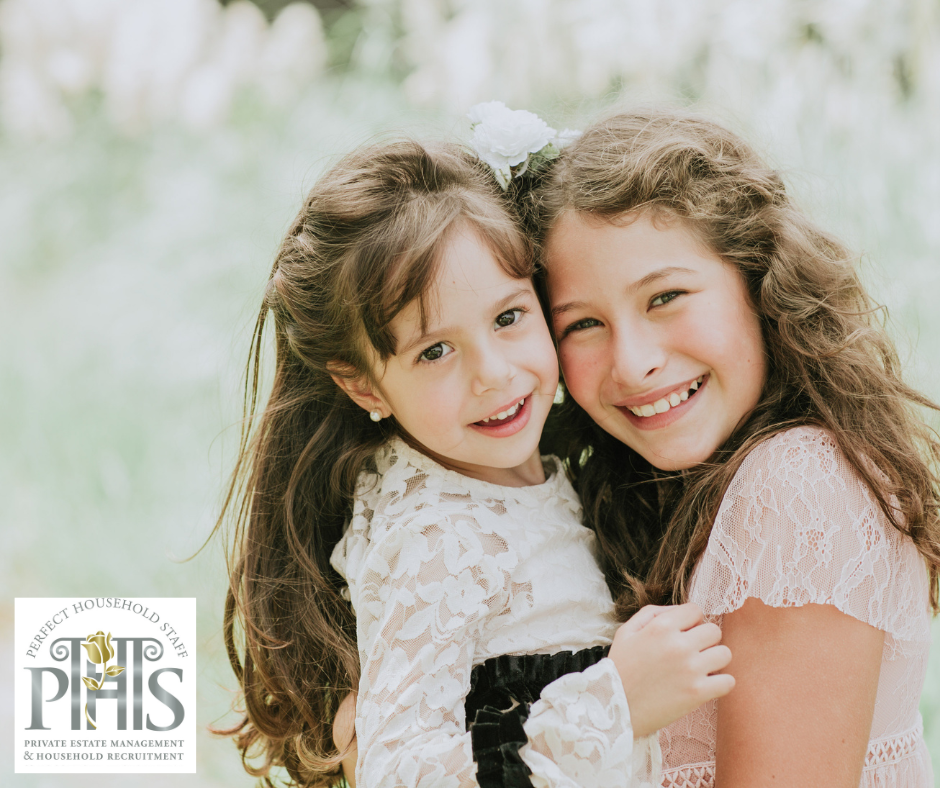
Understand Each Child’s Personality and Emotional Needs
Every child is different. One may be energetic and expressive, while the other might be sensitive and more reserved. As a nanny, paying close attention to each child’s communication style, emotional triggers, and comfort zones helps create personalised care routines. This ensures that each sibling is supported in ways that feel right to them — not treated as a collective, but as individuals in a shared space.
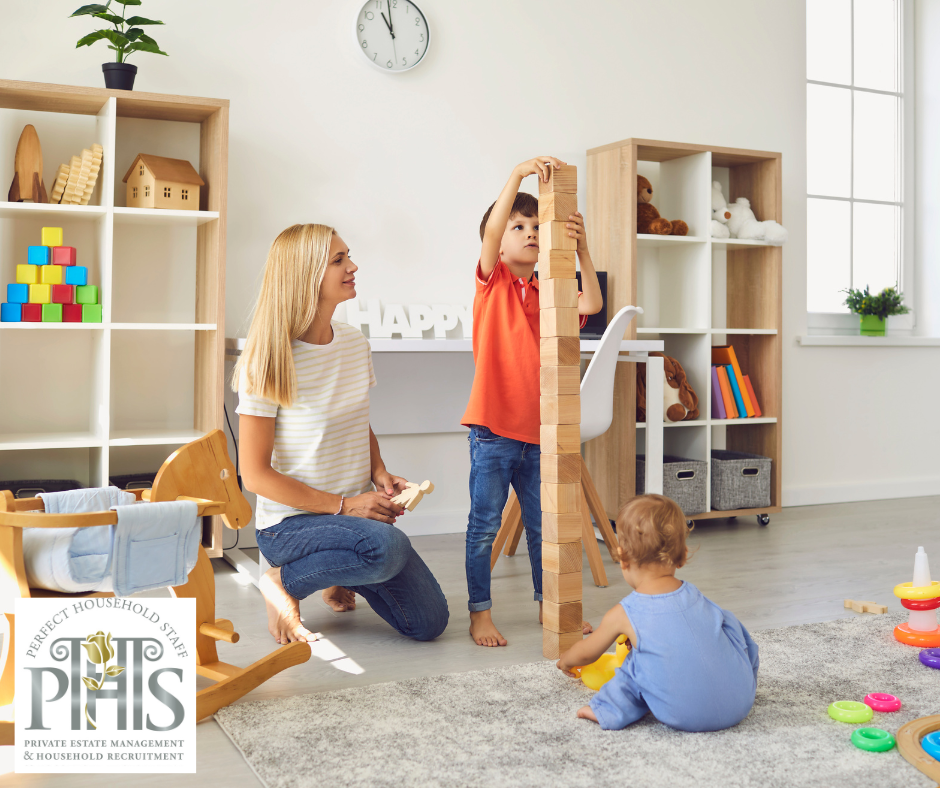
Schedule Daily One-on-One Time
One of the simplest and most powerful strategies to balance attention between siblings is scheduling individual time with each child. Whether it’s 15 minutes reading a story or a short walk in the garden, one-on-one moments build trust and reduce competition for attention. When children feel truly heard, they’re more likely to co-operate and share space positively.
Use Joint Play to Strengthen Teamwork
Caring for siblings offers the perfect opportunity to teach teamwork. Choose collaborative activities such as baking, building dens, or painting a mural. These shared tasks encourage mutual decision-making, turn-taking, and creative cooperation. As you guide their interactions, focus on reinforcing fairness and acknowledging both children’s contributions equally.
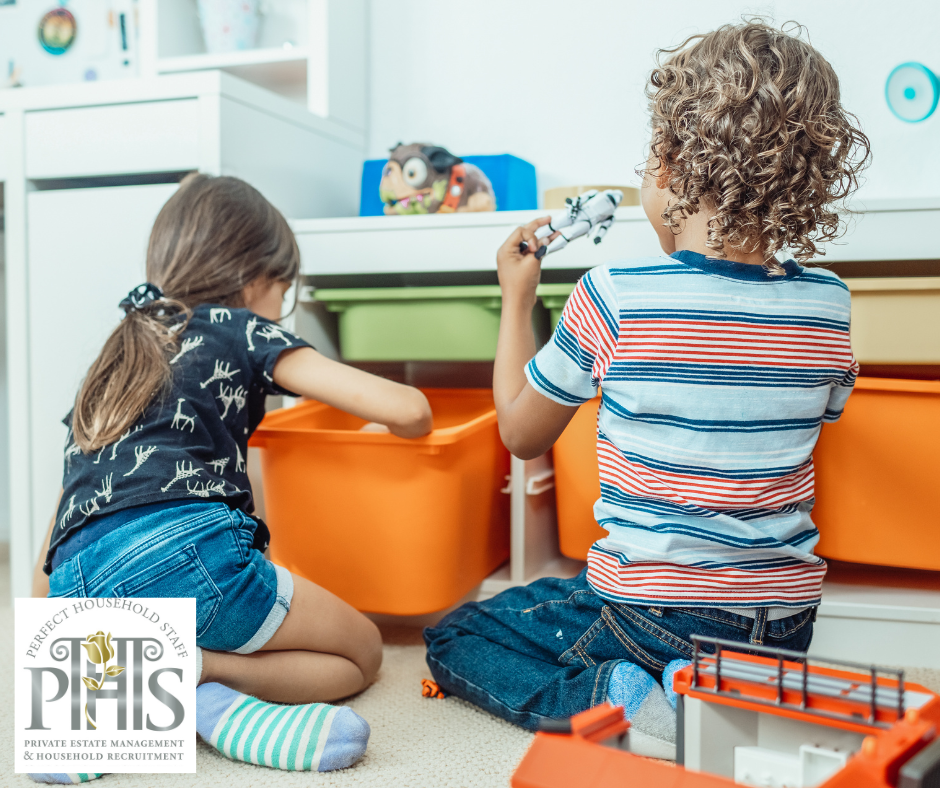
Set Clear Rules and Equal Expectations
Structure matters. Children thrive when they understand what’s expected of them. Establish house rules that apply fairly to both siblings — regardless of age. While responsibilities may differ based on ability, the expectations for kindness, respect, and communication should be consistent.
Predictable routines reduce anxiety and foster a sense of fairness.
Encourage Positive Communication
Language shapes how siblings view themselves and each other. Avoid comparisons like “Your sister always cleans up,” which can foster resentment. Instead, use inclusive affirmations like “You both did a fantastic job working together.”
By modelling respectful communication, you reinforce a culture of empathy and appreciation.
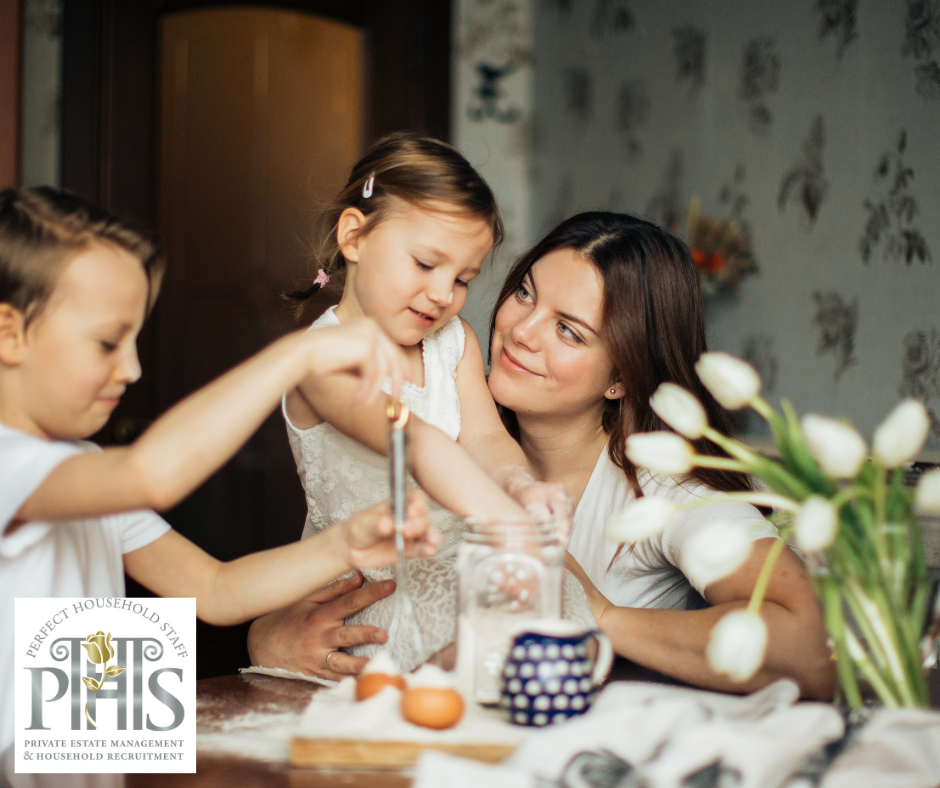
Use Conflict as an Opportunity to Teach
Disagreements are part of every sibling relationship. When conflict arises, remain calm and neutral. Allow both children to express their feelings and help them reflect on what happened. Teach emotional vocabulary — “I felt left out when…” — so they can process frustrations constructively.
Over time, they’ll learn to resolve minor disputes on their own.
Stay Emotionally Attuned to Each Child
Children often show their emotional needs through behaviour. A quiet child may be feeling left out, while a louder sibling might be seeking reassurance. Check in regularly — even a simple “How are you feeling today?” can help you stay connected and responsive. Emotional awareness is key to preventing jealousy and maintaining balance.
Reframe Siblinghood as Teamwork
Children respond well to the idea of being part of something. Frame their sibling relationship as a team: “Let’s see what this amazing team can create today!” This approach helps children see each other as allies rather than rivals, encouraging cooperation and mutual respect throughout the day.
Apply Developmental Psychology in Daily Care
Children develop emotional skills at different stages. A toddler may be more impulsive, while an older sibling might struggle with pressure to behave maturely. Understanding these differences helps nannies set age-appropriate expectations and respond with compassion. Recognising developmental stages also helps reduce misunderstandings and unnecessary tension. Applying these principles consistently supports sibling harmony, creating a balanced and emotionally supportive environment for both children.

Work Closely with Parents
Maintaining a consistent approach between nanny and parents is vital. Share updates regularly — celebrate milestones, flag behavioural shifts, and collaborate on strategies. This team effort ensures the children receive consistent emotional support and positive reinforcement across all settings.
By working closely with parents and maintaining open communication, nannies can ensure consistency in managing siblings, leading to a more stable, supportive, and harmonious home environment.
Teach Emotional Vocabulary and Perspective
Helping children understand emotions improves self-regulation and reduces rivalry. Use phrases like “It sounds like you felt frustrated when…” or “How might your brother have felt?” Encouraging empathy helps siblings connect on a deeper level, reducing conflict and promoting a supportive home environment.
Model Calm and Fair Behaviour
Nannies are daily role models. Show fairness in your actions, be consistent in your tone, and avoid favouritism. Children quickly pick up on adult behaviour — if you stay calm and inclusive, they will mirror that back to each other.
Effective sibling relationship tips include encouraging open communication, promoting shared activities, and fostering mutual respect to build a strong and harmonious bond between children.
Final Thought: Balanced Attention Builds Long-Term Harmony
Balancing attention between two children while caring for siblings is a key part of fostering sibling harmony in childcare. With consistency, empathy, and clear communication, nannies can use proven sibling relationship tips to support a nurturing, respectful bond. By understanding each child’s emotional needs, you help reduce rivalry and encourage lifelong connection.
Your role is more than daily care — it’s about guiding children towards strong, positive sibling dynamics that last well beyond childhood.
Managing siblings successfully involves balancing individual attention with shared experiences to nurture cooperation, reduce rivalry, and support emotional development.
🧸 Quick Tips: Balance Attention Between Two Children
- Give each child one-on-one time daily – Even 10–15 minutes can build trust and reduce competition for attention.
- Tailor your approach – Observe each child’s personality and needs to ensure they feel seen as individuals.
- Promote teamwork through shared play – Choose inclusive, age-appropriate activities that encourage cooperation.
- Use positive language and avoid comparisons – Focus on effort and kindness to reinforce sibling harmony.
- Stay calm during conflict – Guide children to express their feelings and work toward solutions together.
When a nanny is responsible for two children, one of the most frequent challenges is balancing attention between two children to ensure that both feel equally supported, valued, and nurtured. This thoughtful approach to caring for siblings is not only essential for each child’s emotional and developmental wellbeing but also plays a vital role in reducing sibling rivalry and fostering a lasting, healthy relationship between them.
Looking for rewarding nanny opportunities?
Perfect Household Staff partners with talented, caring nannies experienced in managing siblings, fostering emotional growth, and encouraging positive behaviour. Join our network today and connect with families seeking your unique skills.
Explore more about nanny tips for caring for children of different ages or register with us here to start your next domestic career journey.
Looking for a Professional, Experienced Nanny?
Perfect Household Staff connects families with exceptional nannies skilled in sibling care, emotional support, and positive behaviour reinforcement. Contact us today to find the right candidate for your family’s needs.
Explore more how to find the perfect summer nanny or learn about our nanny recruitment services.
📞 Call: +44(0)203 318 4468.
✉️ Email:
🌐 Visit: perfecthouseholdstaff.co.uk
Frequently Asked Questions
FAQs for Employers (Parents)
- How can a nanny help reduce sibling rivalry in my family?
- A skilled nanny can balance attention fairly, encourage shared activities, and set consistent rules to foster harmony and reduce rivalry.
- What should I expect from a nanny when caring for two children?
- Expect your nanny to provide individual attention, manage conflicts calmly, and communicate regularly with you to support both children’s development and wellbeing.
FAQs for Candidates (Nannies)
- How can I manage my time effectively when caring for two children?
- Prioritise one-on-one time, plan engaging group activities, and remain aware of each child’s emotional needs to balance your attention fairly.
- What strategies help in handling sibling conflicts?
- Listening to both sides, validating feelings, and guiding children to resolve disputes peacefully helps build conflict resolution skills.